It is fairly certain that the Reserve Bank of India (RBI) will leave key interest rates unchanged in its monetary policy review on Tuesday. In fact, in the October policy statement, the central bank made it clear that rates may be eased only in the fourth quarter of the fiscal, beginning January. Since the next policy meeting after the 18 December review is in January, RBI is expected to cut rates then, given the fact that wholesale price inflation in Asia’s third largest economy is easing and the government, despite political resistance, is serious about pushing economic reforms—two necessary preconditions for cutting rates.
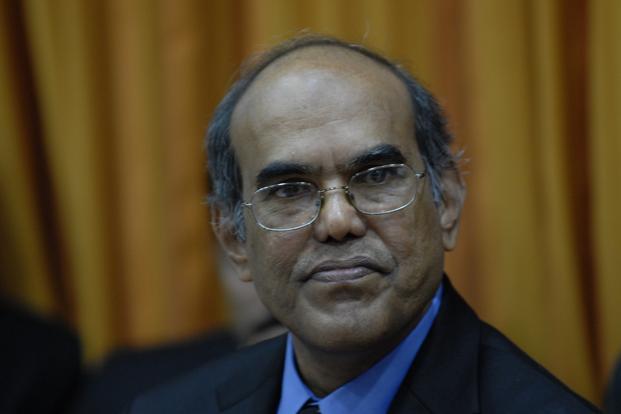
In April, the Indian central bank cut its key policy rate by half a percentage point to 8%. That cut was based on an understanding with the government that the latter would make sincere efforts to streamline the fiscal situation, but that has not happened. RBI governor D. Subbarao stuck to his position (of not cutting policy rate unless the government is sincere about addressing its fiscal profligacy) in October despite pressure from the finance ministry. Since then, the situation has changed. Prime Minister Manmohan Singh and finance minister P. Chidambaram are clearly demonstrating that they mean business and are ready to take risks in pushing economic reforms.
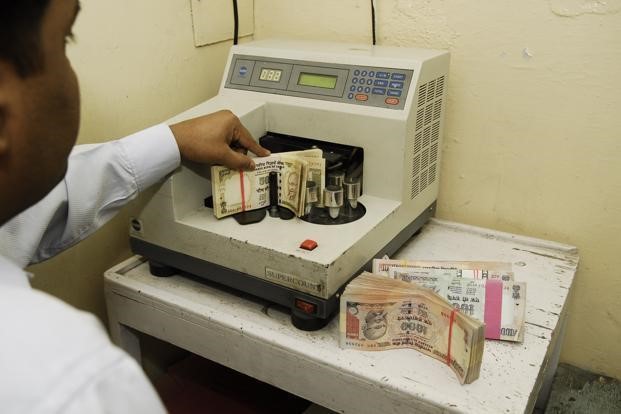
While the market waits for a rate cut in January, many analysts are expecting yet another cut in banks’ cash reserve ratio (CRR), or the portion of deposits that commercial banks are required to keep with the central bank. RBI has cut CRR in phases this year to 4.25%—the lowest since December 1974. The expectation of a CRR cut is based on two factors—first, liquidity is tight, and banks have on an average been borrowing at least Rs.92,000 crore daily in December from RBI’s repurchase window to take care of temporary asset-liability mismatches; and second, in every policy review since April, Subbarao has offered something or the other to the markets. Indeed, he refrained from a rate cut after April but pared CRR in phases, pumping money into the system, and even cut the statutory liquidity ratio (SLR), or the mandatory bond holdings of banks, to release money that can be used for lending.
This time around, there is no obvious reason to cut CRR unless the central bank wants to continue with its policy of pandering to market expectations. Indeed, the cash deficit in the system is more than 1% of banks’ deposit portfolio—the ideal level for RBI—and it will cross Rs.1 trillion a day after the outflow of advance tax this week. But a cut in CRR can take effect only on 28 December and, by that time, the liquidity deficit in the system will be far less as the government will start spending before the month end and the money will flow into the banking system. Indian banks’ reserve requirement is calculated on a fortnightly basis, on every alternate Friday.
To ease the tightness in liquidity, RBI bought bonds from the market under its so-called open market operations and released close to Rs.24,000 crore this month, taking total bond buying this fiscal to around Rs.1.05 trillion. It can buy more bonds instead of cutting CRR now, but the pressure on liquidity will continue as the government has not completed its borrowing programme. So far, it has raised Rs.4.86 trillion out of the Rs.5.7 trillion programme.
Two key data points released ahead of the policy—wholesale inflation for November and factory output for October—have surprised the analyst community, both on the positive side. India’s wholesale inflation in November moderated to 7.24%, from 7.45% in October, much below the consensus estimate of around 7.55%. The provisional September inflation figure has been raised from 7.81% to 8.1%, but that is on the expected lines. What is more encouraging is the fall in so-called core inflation, or non-food, non-oil, manufacturing inflation, from 5.19% in October to 4.49% in November, the lowest since March 2010. It is expected that wholesale price inflation will be around 7% or marginally higher by the fiscal year end in March, but one should not start celebrating as retail inflation continues to be high. In fact, retail inflation in November rose to 9.9% from 9.7% in the previous month. This simply means that prices in the services sector have been rising, which is not reflected in wholesale inflation figures.
Factory output was expected to be relatively strong in October because of the so-called base effect (it had dropped 5% in October the previous year), but the 8.2% year-on-year growth surpassed even the most optimistic estimate. In September, it had dropped 0.7%. Festive sales also contributed to the high growth (Diwali was in November this year, and the month preceding Diwali traditionally witnesses higher demand and higher output), but the happy sign is manufacturing growth was 9.6%, the highest since 2011. It had contracted in September. Other critical segments such as mining, power, capital goods and consumer durables all showed growth in output. It is fairly certain that the momentum cannot be sustained, but one can reasonably expect a better second half in terms of industrial activity. In the first half, between April and September, factory output grew 1.27%.
If RBI refrains from a CRR cut and chooses to make it a no-action policy on Tuesday, the statement may sound relatively dovish and the central bank can aim at a deeper, half-percentage-point rate cut in January. There could be a CRR cut, too, then.